
Psychological Safety at Work: Why Employees Quietly Leave Toxic Workplaces
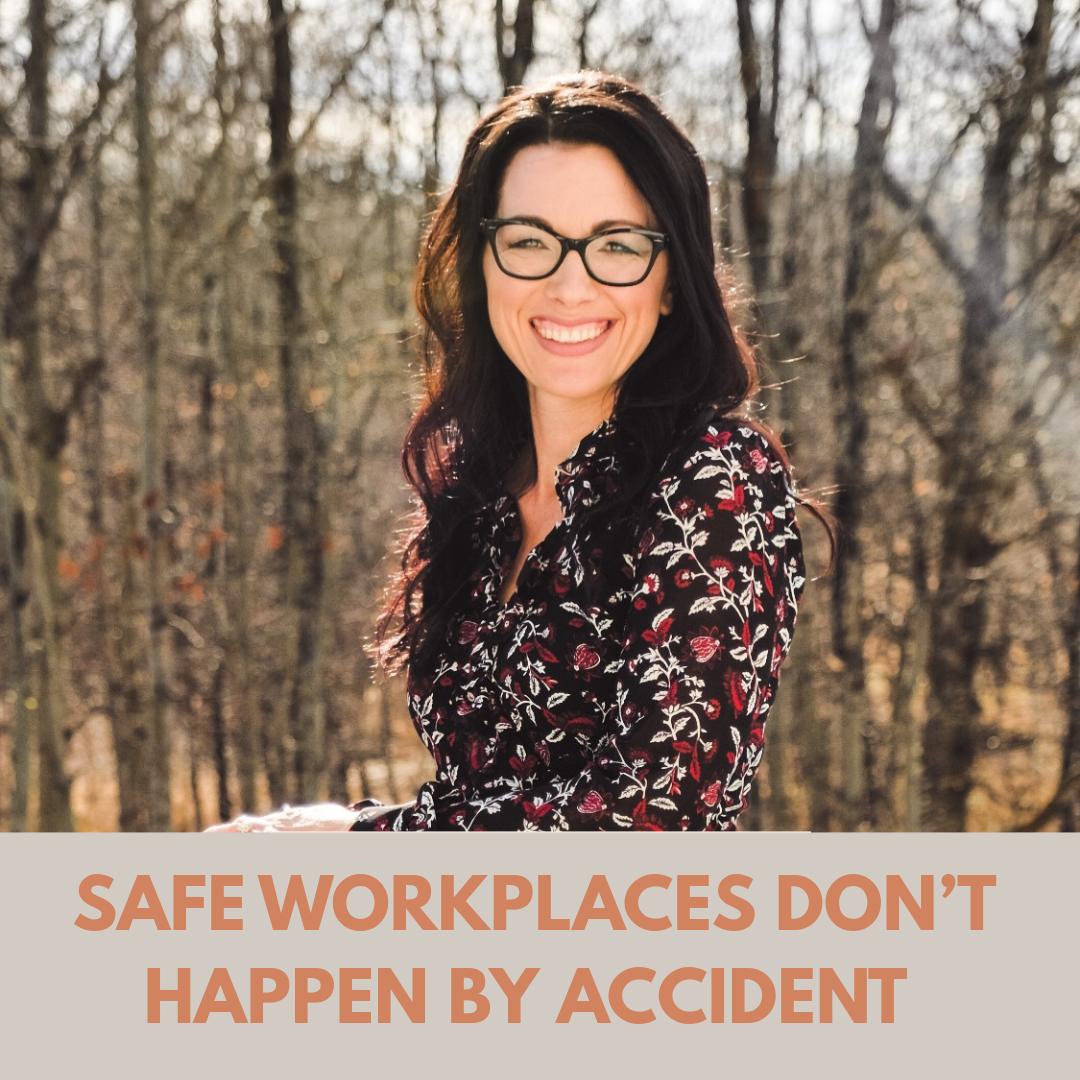
Safe workplaces do not allow harmful behaviour to continue unchecked. They address it early, consistently, and respectfully—whether in a corporate office, healthcare setting, team meeting, or construction site.
One of the most important leadership lessons is learning how to accurately assess people and situations. Many women are taught to be accommodating, give second chances, and assume the best in others. While compassion is important, leadership also requires discernment.
Throughout a career, most people will encounter individuals who are disrespectful, volatile, manipulative, or simply unwilling to take responsibility for their behaviour. The challenge is not whether these people exist. The challenge is recognizing the patterns early and deciding how to respond.
Several experiences throughout my career reinforced this lesson.
On two separate construction sites, workers yelled at me despite there being no disagreement or conflict taking place. In a healthcare setting, a female colleague openly made derogatory comments about men in front of others, and nobody addressed it. Earlier in my career, while working in the oilfield, a coworker chased me with a four-foot metal pipe. Despite the seriousness of the incident, I was expected to continue working alongside him.
Looking back, the most important lesson was not simply that these incidents occurred. The greater lesson was recognizing what happened afterward. In each situation, people in positions of authority either minimized the behaviour, ignored it, or allowed it to continue.
Leadership is revealed not only by what leaders say, but by what they tolerate.
When yelling, intimidation, threats, harassment, or degrading comments are left unchecked, employees quickly learn what behaviours are acceptable within the culture. Some will adapt to survive. Others will quietly leave. The strongest employees rarely create drama on their way out. They simply move on and quietly share their experiences with others.
The consequences extend far beyond hurt feelings. Trust erodes. Psychological safety disappears. Team morale declines. Safety concerns increase. Turnover rises. Recruitment becomes more difficult. Over time, the culture becomes known for all the wrong reasons.
Healthy workplaces are built when leaders are willing to have uncomfortable conversations, establish clear expectations, and address issues before they become crises.
Personal responsibility also plays a role.
Many women remain in situations longer than they should because they are trying to be understanding, avoid conflict, or give someone another chance. Learning to recognize unhealthy patterns, set boundaries, ask difficult questions, and trust your instincts is part of becoming a stronger leader.
Leadership is not about controlling other people's behaviour. It is about developing the wisdom to recognize what is happening, responding appropriately, and creating environments where respect is expected—not optional.
People stay where they feel safe.
They stay where communication is clear, expectations are understood, and leadership addresses problems rather than avoiding them. They stay where trust exists. They stay where leaders understand that culture is built through everyday actions, not mission statements on a wall.
Safe workplaces do not happen by accident. They are built intentionally through accountability, communication, leadership, and the courage to address difficult situations before they become damaging ones.
My name is Nancy Riegel, and I provide practical, science-based tools on workplace behaviour, communication, and leadership development to help organizations create cultures where people can thrive.